
Trusted by 5000+ subscribers.
FREE DOWNLOAD
FREE DOWNLOAD
Your Teen's Summer Looks Productive. But Is It College-Ready?
Your Teen's Summer Looks Productive. But Is It College-Ready?
Your Teen's Summer Looks Productive. But Is It College-Ready?
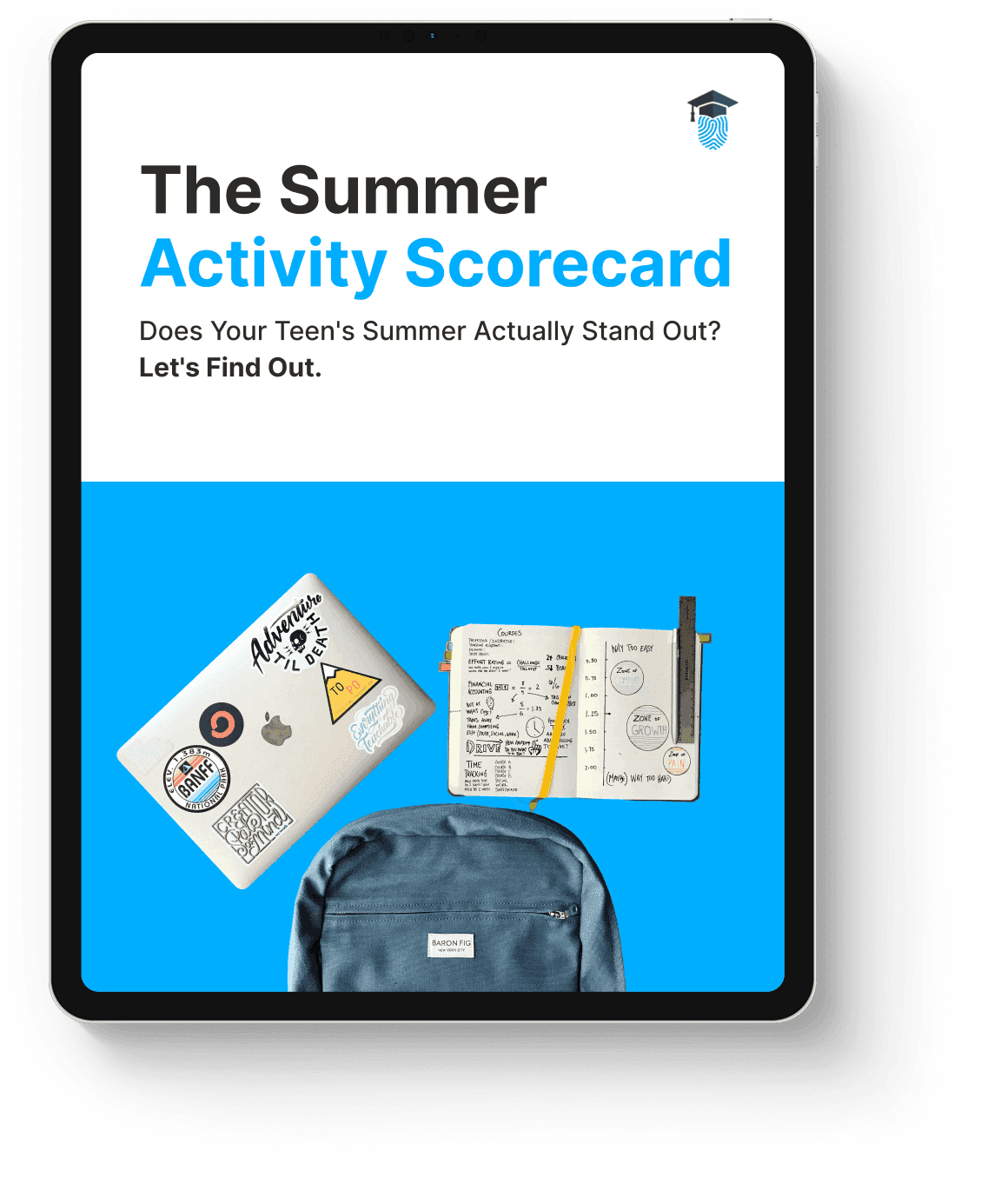
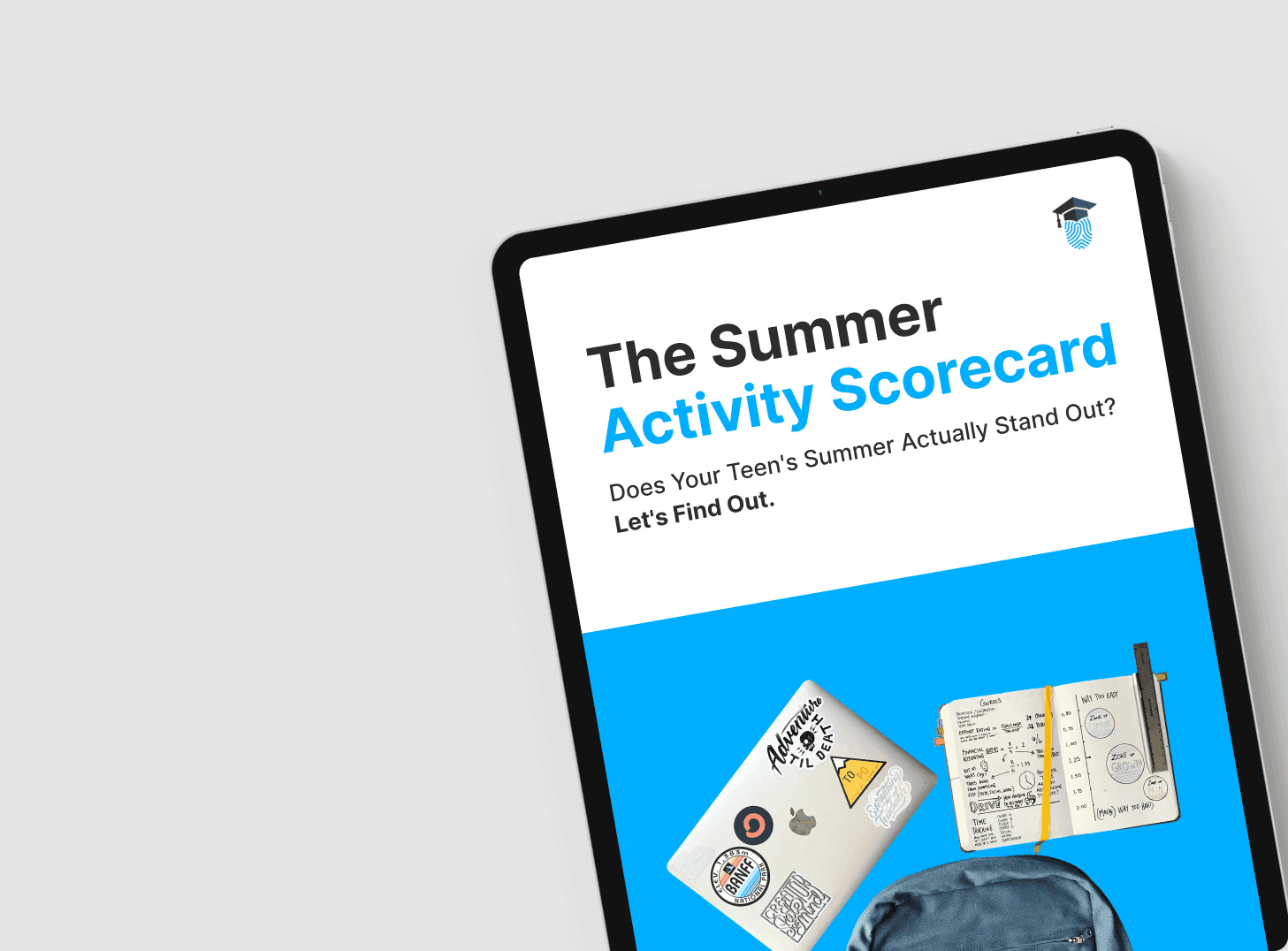
Colleges don't reward busy—they reward direction. This free 5-minute scorecard shows you the difference.
Colleges don't reward busy—they reward direction. This free 5-minute scorecard shows you the difference.
100% Free. No Catch.

The Problem Most Parents Don't See

Your kid had a productive summer. They got a job. Volunteered somewhere. Took a program or two. Maybe all three.
From the outside, it looks great. They're not sitting around gaming all day. They're doing things. Responsible things.
And then junior year hits and you realize: none of this tells a story.
I've worked with hundreds of families over the past 20 years—a lot of them with neurodivergent kids (I have ADHD, VPD, and dyslexia myself, so trust me, I get it).
And I see the same pattern over and over:
Parents think their teen is "on track" because they're busy. Then college application season arrives and suddenly it's like... wait, what do we even write about?
I've worked with hundreds of families over the past 20 years—a lot of them with neurodivergent kids (I have ADHD, VPD, and dyslexia myself, so trust me, I get it).
And I see the same pattern over and over:
Parents think their teen is "on track" because they're busy. Then college application season arrives and suddenly it's like... wait, what do we even write about?
Because here's the thing colleges actually care about:
They're not counting activities. They're not impressed by a long resume.
They're looking for a story that goes from "I tried this" → "I got really into this" → "I built something because of this" → "I made an actual difference."
Most students never get past the first step. They participate. They show up. They're good kids.
But that's not enough for competitive schools.
They're not counting activities. They're not impressed by a long resume.
They're looking for a story that goes from "I tried this" → "I got really into this" → "I built something because of this" → "I made an actual difference."
Most students never get past the first step. They participate. They show up. They're good kids.
But that's not enough for competitive schools.
What This Scorecard Actually Does
This isn't one of those "rate yourself 1-10" things that tells you everything's fine when it's not.
It's a real diagnostic. You'll see exactly where your teen stands on the progression colleges evaluate—and what's missing.
This isn't one of those "rate yourself 1-10" things that tells you everything's fine when it's not.
It's a real diagnostic. You'll see exactly where your teen stands on the progression colleges evaluate—and what's missing.
In 5 minutes, you'll know:
In 5 minutes, you'll know:
In 5 minutes, you'll know:

Your teen’s activity type
Your teen’s activity type
Where your teen's main summer activity actually falls (Interest? Involvement? Initiative? Impact?)
Where your teen's main summer activity actually falls (Interest? Involvement? Initiative? Impact?)
Your teen’s activity depth
Your teen’s activity depth
Whether your teen is showing depth—or just checking boxes
Whether your teen is showing depth—or just checking boxes
What’s missing for college
What’s missing for college
The gap between what they did and what colleges are looking for
The gap between what they did and what colleges are looking for
What need to change
What need to change
What needs to change next summer (spoiler: probably not adding more stuff)
What needs to change next summer (spoiler: probably not adding more stuff)
I'm Tatum.
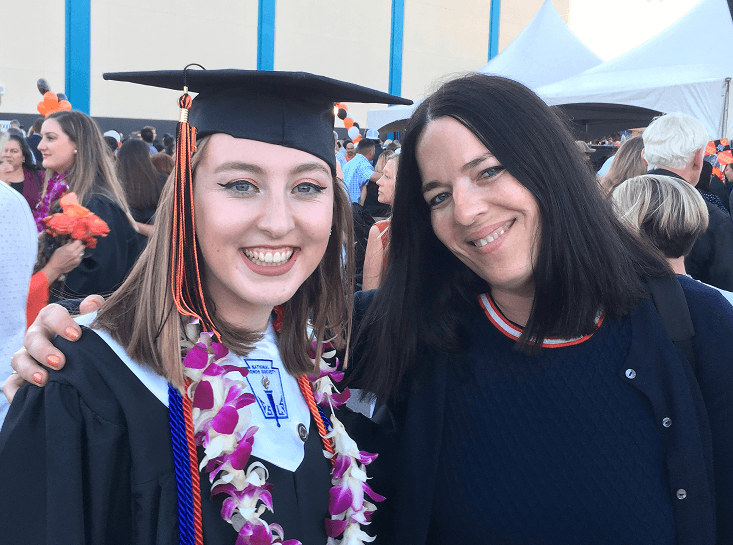
Harvard grad. I've been doing this for 20 years—mostly with neurodivergent students who need someone who actually gets how their brain works.
Here's what I've learned after helping hundreds of kids get into places like Harvard, Brown, Berkeley, UCLA:
It's not about doing the most. It's about showing growth.
The kids who get in aren't the ones with 47 activities on their resume.
They're the ones who can tell a clear story: "I was curious about X. I got involved in Y. I took initiative and did Z. And here's what changed because of it."
Most students—even really smart ones—never learn how to do that. Especially ND kids, who are already working twice as hard just to look organized.
I'm Tatum.
Harvard grad. I've been doing this for 20 years—mostly with neurodivergent students who need someone who actually gets how their brain works.
Here's what I've learned after helping hundreds of kids get into places like Harvard, Brown, Berkeley, UCLA:
It's not about doing the most. It's about showing growth.
The kids who get in aren't the ones with 47 activities on their resume.
They're the ones who can tell a clear story: "I was curious about X. I got involved in Y. I took initiative and did Z. And here's what changed because of it."
Most students—even really smart ones—never learn how to do that. Especially ND kids, who are already working twice as hard just to look organized.

DOWNLOAD FOR FREE
DOWNLOAD FOR FREE
This scorecard will show you if your teen has what college look for.
This scorecard will show you whether your teen has what colleges look for.
This scorecard will show you whether your teen has what colleges look for.
And if they don't, you'll know exactly what's missing this summer.
And if they don't, you'll know exactly what's missing this summer.
And if they don't, you'll know exactly what's missing this summer.


DOWNLOAD FOR FREE
This scorecard will show you whether your teen has what colleges look for.
And if they don't, you'll know exactly what's missing this summer.
© 2026 Custom Academics, LLC. All rights reserved.
© 2026 Custom Academics, LLC.
All rights reserved.